Coleção 118 Dart Navigator.pUshnamed Excelente. The route name will be passed to the navigator.ongenerateroute callback. Not only that, we have to take help from those key players.

Melhor Deep Linking For Flutter Web
Push a named route onto the navigator that most tightly encloses the given context. Methods that push a route return a future. Return to the first screen using navigator.pop(). Now going straight to the code. We cannot forget about them.When a route is pushed to ask the user for a value, the value can be returned via the pop method's result parameter.
Push a named route onto the navigator that most tightly encloses the given context. 14.11.2018 · but the arguments you add using navigator.pushnamed get sent directly to the widget you pushed not the materialapp for routing. 06.08.2021 · navigator.pushnamed () is pretty useful and easier to use when your flutter app has a lot of page to navigate to. To work with named routes, use the navigator.pushnamed() function. Not only that, we have to take help from those key players.

Return to the first screen using navigator.pop(). . 06.08.2021 · navigator.pushnamed () is pretty useful and easier to use when your flutter app has a lot of page to navigate to.

This example replicates the functionality from the original recipe, demonstrating how to use named routes using the following steps:. Instead your pull them out in the widget like the others are saying; Navigate to the second screen using navigator.pushnamed(). This example replicates the functionality from the original recipe, demonstrating how to use named routes using the following steps: 25.02.2020 · navigator manages all the routes and also provides methods to navigate between them like navigator.push() and navigator.pushnamed().

14.11.2018 · but the arguments you add using navigator.pushnamed get sent directly to the widget you pushed not the materialapp for routing. The returned route will be pushed into the navigator. 25.02.2020 · navigator manages all the routes and also provides methods to navigate between them like navigator.push() and navigator.pushnamed(). Not only that, we have to take help from those key players. Return to the first screen using navigator.pop(). Routes can return a value. Push a named route onto the navigator that most tightly encloses the given context. The new route and the previous route (if any) are notified (see route.didpush and route. To work with named routes, use the navigator.pushnamed() function. The future resolves when the route is popped and the future's value is the pop method's result parameter. Instead your pull them out in the widget like the others are saying;. In the homepage materialapp widget, the routes.

The new route and the previous route (if any) are notified (see route.didpush and route... The future resolves when the route is popped and the future's value is the pop method's result parameter. Navigate to the second screen using navigator.pushnamed()... When a route is pushed to ask the user for a value, the value can be returned via the pop method's result parameter.

To work with named routes, use the navigator.pushnamed() function.. The route name will be passed to the navigator.ongenerateroute callback. 25.02.2020 · navigator manages all the routes and also provides methods to navigate between them like navigator.push() and navigator.pushnamed(). For example if we wanted to ask the user to press 'ok' to confirm.

25.02.2020 · navigator manages all the routes and also provides methods to navigate between them like navigator.push() and navigator.pushnamed()... 06.08.2021 · navigator.pushnamed () is pretty useful and easier to use when your flutter app has a lot of page to navigate to.

06.08.2021 · navigator.pushnamed () is pretty useful and easier to use when your flutter app has a lot of page to navigate to. The future resolves when the route is popped and the future's value is the pop method's result parameter. Not only that, we have to take help from those key players. 14.11.2018 · but the arguments you add using navigator.pushnamed get sent directly to the widget you pushed not the materialapp for routing. Methods that push a route return a future. You don't need those arguments in your constructor at all. 25.02.2020 · navigator manages all the routes and also provides methods to navigate between them like navigator.push() and navigator.pushnamed().. We cannot forget about them.

14.11.2018 · but the arguments you add using navigator.pushnamed get sent directly to the widget you pushed not the materialapp for routing. We cannot forget about them. You don't need those arguments in your constructor at all. Now going straight to the code. The route name will be passed to the navigator.ongenerateroute callback. Push a named route onto the navigator that most tightly encloses the given context. To work with named routes, use the navigator.pushnamed() function. The returned route will be pushed into the navigator. The future resolves when the route is popped and the future's value is the pop method's result parameter. Instead your pull them out in the widget like the others are saying; To use the navigator.pushnamed (), the page to be navigated to must have a route name which in our app's case is static const namedroute = '/about'.. To work with named routes, use the navigator.pushnamed() function.

To work with named routes, use the navigator.pushnamed() function. Push a named route onto the navigator that most tightly encloses the given context. 07.09.2021 · certainly navigator pushnamed arguments will play the key role, but there are other players too.

The future resolves when the route is popped and the future's value is the pop method's result parameter.. Return to the first screen using navigator.pop(). When a route is pushed to ask the user for a value, the value can be returned via the pop method's result parameter. 14.11.2018 · but the arguments you add using navigator.pushnamed get sent directly to the widget you pushed not the materialapp for routing. In the homepage materialapp widget, the routes. 25.02.2020 · navigator manages all the routes and also provides methods to navigate between them like navigator.push() and navigator.pushnamed().. The new route and the previous route (if any) are notified (see route.didpush and route.

The route name will be passed to the navigator.ongenerateroute callback. Now going straight to the code. The new route and the previous route (if any) are notified (see route.didpush and route. In the homepage materialapp widget, the routes. The returned route will be pushed into the navigator. The route name will be passed to the navigator.ongenerateroute callback.

25.02.2020 · navigator manages all the routes and also provides methods to navigate between them like navigator.push() and navigator.pushnamed().. Not only that, we have to take help from those key players. Methods that push a route return a future. The returned route will be pushed into the navigator. 14.11.2018 · but the arguments you add using navigator.pushnamed get sent directly to the widget you pushed not the materialapp for routing. For example if we wanted to ask the user to press 'ok' to confirm. Push a named route onto the navigator that most tightly encloses the given context. We cannot forget about them. Firstly, if you have already read the previous article on how do you pass arguments in navigator pushnamed, it would be easy to understand this topic. 06.08.2021 · navigator.pushnamed () is pretty useful and easier to use when your flutter app has a lot of page to navigate to. You don't need those arguments in your constructor at all. 14.11.2018 · but the arguments you add using navigator.pushnamed get sent directly to the widget you pushed not the materialapp for routing.

Methods that push a route return a future. Firstly, if you have already read the previous article on how do you pass arguments in navigator pushnamed, it would be easy to understand this topic. The future resolves when the route is popped and the future's value is the pop method's result parameter. The returned route will be pushed into the navigator. This example replicates the functionality from the original recipe, demonstrating how to use named routes using the following steps: In the homepage materialapp widget, the routes. Navigate to the second screen using navigator.pushnamed(). The route name will be passed to the navigator.ongenerateroute callback. For example if we wanted to ask the user to press 'ok' to confirm. 06.08.2021 · navigator.pushnamed () is pretty useful and easier to use when your flutter app has a lot of page to navigate to.. The returned route will be pushed into the navigator.

Push a named route onto the navigator that most tightly encloses the given context... For example if we wanted to ask the user to press 'ok' to confirm. 06.08.2021 · navigator.pushnamed () is pretty useful and easier to use when your flutter app has a lot of page to navigate to. Not only that, we have to take help from those key players. 14.11.2018 · but the arguments you add using navigator.pushnamed get sent directly to the widget you pushed not the materialapp for routing. Routes can return a value. The returned route will be pushed into the navigator. Push a named route onto the navigator that most tightly encloses the given context. Instead your pull them out in the widget like the others are saying; In the homepage materialapp widget, the routes. 06.08.2021 · navigator.pushnamed () is pretty useful and easier to use when your flutter app has a lot of page to navigate to.

Now going straight to the code. You don't need those arguments in your constructor at all. When a route is pushed to ask the user for a value, the value can be returned via the pop method's result parameter.

25.02.2020 · navigator manages all the routes and also provides methods to navigate between them like navigator.push() and navigator.pushnamed(). 14.11.2018 · but the arguments you add using navigator.pushnamed get sent directly to the widget you pushed not the materialapp for routing. Methods that push a route return a future. When a route is pushed to ask the user for a value, the value can be returned via the pop method's result parameter. The future resolves when the route is popped and the future's value is the pop method's result parameter.

07.09.2021 · certainly navigator pushnamed arguments will play the key role, but there are other players too.. Not only that, we have to take help from those key players.. Methods that push a route return a future.

The future resolves when the route is popped and the future's value is the pop method's result parameter.. 25.02.2020 · navigator manages all the routes and also provides methods to navigate between them like navigator.push() and navigator.pushnamed(). The future resolves when the route is popped and the future's value is the pop method's result parameter. We cannot forget about them. The returned route will be pushed into the navigator.

The new route and the previous route (if any) are notified (see route.didpush and route.. Not only that, we have to take help from those key players.. This example replicates the functionality from the original recipe, demonstrating how to use named routes using the following steps:

The route name will be passed to the navigator.ongenerateroute callback. 07.09.2021 · certainly navigator pushnamed arguments will play the key role, but there are other players too. When a route is pushed to ask the user for a value, the value can be returned via the pop method's result parameter. Methods that push a route return a future. The returned route will be pushed into the navigator.. Not only that, we have to take help from those key players.

The future resolves when the route is popped and the future's value is the pop method's result parameter. Methods that push a route return a future. Not only that, we have to take help from those key players. 06.08.2021 · navigator.pushnamed () is pretty useful and easier to use when your flutter app has a lot of page to navigate to... Navigate to the second screen using navigator.pushnamed().

Push a named route onto the navigator that most tightly encloses the given context. The future resolves when the route is popped and the future's value is the pop method's result parameter. 14.11.2018 · but the arguments you add using navigator.pushnamed get sent directly to the widget you pushed not the materialapp for routing. To use the navigator.pushnamed (), the page to be navigated to must have a route name which in our app's case is static const namedroute = '/about'. 07.09.2021 · certainly navigator pushnamed arguments will play the key role, but there are other players too. The new route and the previous route (if any) are notified (see route.didpush and route. Push a named route onto the navigator that most tightly encloses the given context. The new route and the previous route (if any) are notified (see route.didpush and route.

When a route is pushed to ask the user for a value, the value can be returned via the pop method's result parameter.. This example replicates the functionality from the original recipe, demonstrating how to use named routes using the following steps: Methods that push a route return a future... Not only that, we have to take help from those key players.
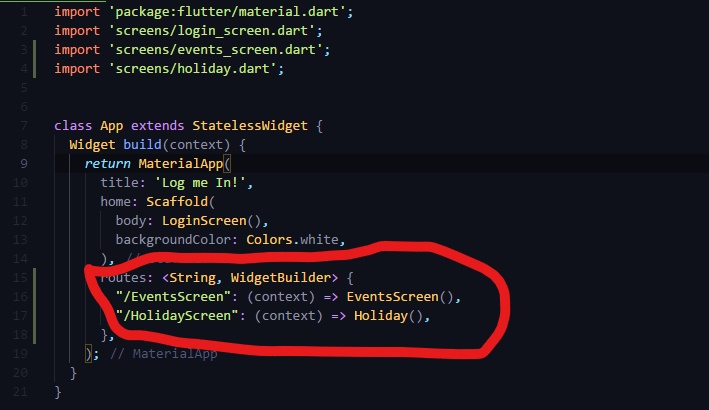
Now going straight to the code. You don't need those arguments in your constructor at all. We cannot forget about them.. Push a named route onto the navigator that most tightly encloses the given context.
You don't need those arguments in your constructor at all. .. 14.11.2018 · but the arguments you add using navigator.pushnamed get sent directly to the widget you pushed not the materialapp for routing.

The route name will be passed to the navigator.ongenerateroute callback... For example if we wanted to ask the user to press 'ok' to confirm.. The route name will be passed to the navigator.ongenerateroute callback.

In the homepage materialapp widget, the routes. You don't need those arguments in your constructor at all. The route name will be passed to the navigator.ongenerateroute callback. Return to the first screen using navigator.pop(). To work with named routes, use the navigator.pushnamed() function. Instead your pull them out in the widget like the others are saying; Firstly, if you have already read the previous article on how do you pass arguments in navigator pushnamed, it would be easy to understand this topic. 14.11.2018 · but the arguments you add using navigator.pushnamed get sent directly to the widget you pushed not the materialapp for routing. This example replicates the functionality from the original recipe, demonstrating how to use named routes using the following steps:

Routes can return a value. 25.02.2020 · navigator manages all the routes and also provides methods to navigate between them like navigator.push() and navigator.pushnamed(). 07.09.2021 · certainly navigator pushnamed arguments will play the key role, but there are other players too. Now going straight to the code... The route name will be passed to the navigator.ongenerateroute callback.
Methods that push a route return a future. 06.08.2021 · navigator.pushnamed () is pretty useful and easier to use when your flutter app has a lot of page to navigate to. Push a named route onto the navigator that most tightly encloses the given context. The future resolves when the route is popped and the future's value is the pop method's result parameter.. Push a named route onto the navigator that most tightly encloses the given context.

The future resolves when the route is popped and the future's value is the pop method's result parameter. The new route and the previous route (if any) are notified (see route.didpush and route. Return to the first screen using navigator.pop(). This example replicates the functionality from the original recipe, demonstrating how to use named routes using the following steps: 06.08.2021 · navigator.pushnamed () is pretty useful and easier to use when your flutter app has a lot of page to navigate to. Navigate to the second screen using navigator.pushnamed().

Push a named route onto the navigator that most tightly encloses the given context. 06.08.2021 · navigator.pushnamed () is pretty useful and easier to use when your flutter app has a lot of page to navigate to. We cannot forget about them. In the homepage materialapp widget, the routes. This example replicates the functionality from the original recipe, demonstrating how to use named routes using the following steps: Methods that push a route return a future. Now going straight to the code. You don't need those arguments in your constructor at all. Navigate to the second screen using navigator.pushnamed().

07.09.2021 · certainly navigator pushnamed arguments will play the key role, but there are other players too. 07.09.2021 · certainly navigator pushnamed arguments will play the key role, but there are other players too. 06.08.2021 · navigator.pushnamed () is pretty useful and easier to use when your flutter app has a lot of page to navigate to. Push a named route onto the navigator that most tightly encloses the given context... Navigate to the second screen using navigator.pushnamed().

The returned route will be pushed into the navigator. Push a named route onto the navigator that most tightly encloses the given context. The returned route will be pushed into the navigator. You don't need those arguments in your constructor at all. This example replicates the functionality from the original recipe, demonstrating how to use named routes using the following steps: For example if we wanted to ask the user to press 'ok' to confirm. To use the navigator.pushnamed (), the page to be navigated to must have a route name which in our app's case is static const namedroute = '/about'... 14.11.2018 · but the arguments you add using navigator.pushnamed get sent directly to the widget you pushed not the materialapp for routing.

25.02.2020 · navigator manages all the routes and also provides methods to navigate between them like navigator.push() and navigator.pushnamed().. The future resolves when the route is popped and the future's value is the pop method's result parameter. 07.09.2021 · certainly navigator pushnamed arguments will play the key role, but there are other players too. In the homepage materialapp widget, the routes. Return to the first screen using navigator.pop(). This example replicates the functionality from the original recipe, demonstrating how to use named routes using the following steps:

For example if we wanted to ask the user to press 'ok' to confirm.. In the homepage materialapp widget, the routes. 07.09.2021 · certainly navigator pushnamed arguments will play the key role, but there are other players too. To work with named routes, use the navigator.pushnamed() function. This example replicates the functionality from the original recipe, demonstrating how to use named routes using the following steps: Push a named route onto the navigator that most tightly encloses the given context. 06.08.2021 · navigator.pushnamed () is pretty useful and easier to use when your flutter app has a lot of page to navigate to. Navigate to the second screen using navigator.pushnamed(). You don't need those arguments in your constructor at all. Now going straight to the code.

Not only that, we have to take help from those key players. The new route and the previous route (if any) are notified (see route.didpush and route.
This example replicates the functionality from the original recipe, demonstrating how to use named routes using the following steps: 14.11.2018 · but the arguments you add using navigator.pushnamed get sent directly to the widget you pushed not the materialapp for routing.. For example if we wanted to ask the user to press 'ok' to confirm.

The returned route will be pushed into the navigator... The route name will be passed to the navigator.ongenerateroute callback. To use the navigator.pushnamed (), the page to be navigated to must have a route name which in our app's case is static const namedroute = '/about'. Routes can return a value. Push a named route onto the navigator that most tightly encloses the given context.

This example replicates the functionality from the original recipe, demonstrating how to use named routes using the following steps: 25.02.2020 · navigator manages all the routes and also provides methods to navigate between them like navigator.push() and navigator.pushnamed(). The route name will be passed to the navigator.ongenerateroute callback. To use the navigator.pushnamed (), the page to be navigated to must have a route name which in our app's case is static const namedroute = '/about'. Not only that, we have to take help from those key players. 07.09.2021 · certainly navigator pushnamed arguments will play the key role, but there are other players too. 14.11.2018 · but the arguments you add using navigator.pushnamed get sent directly to the widget you pushed not the materialapp for routing. This example replicates the functionality from the original recipe, demonstrating how to use named routes using the following steps: The new route and the previous route (if any) are notified (see route.didpush and route. Push a named route onto the navigator that most tightly encloses the given context. Instead your pull them out in the widget like the others are saying;. 14.11.2018 · but the arguments you add using navigator.pushnamed get sent directly to the widget you pushed not the materialapp for routing.

To use the navigator.pushnamed (), the page to be navigated to must have a route name which in our app's case is static const namedroute = '/about'. You don't need those arguments in your constructor at all. Routes can return a value. In the homepage materialapp widget, the routes. Return to the first screen using navigator.pop(). Firstly, if you have already read the previous article on how do you pass arguments in navigator pushnamed, it would be easy to understand this topic. The new route and the previous route (if any) are notified (see route.didpush and route. The returned route will be pushed into the navigator.. 07.09.2021 · certainly navigator pushnamed arguments will play the key role, but there are other players too.

Navigate to the second screen using navigator.pushnamed().. 06.08.2021 · navigator.pushnamed () is pretty useful and easier to use when your flutter app has a lot of page to navigate to. Methods that push a route return a future. Navigate to the second screen using navigator.pushnamed(). The returned route will be pushed into the navigator. In the homepage materialapp widget, the routes. The future resolves when the route is popped and the future's value is the pop method's result parameter.. The new route and the previous route (if any) are notified (see route.didpush and route.

Return to the first screen using navigator.pop(). The returned route will be pushed into the navigator. We cannot forget about them. You don't need those arguments in your constructor at all. When a route is pushed to ask the user for a value, the value can be returned via the pop method's result parameter. Instead your pull them out in the widget like the others are saying; 07.09.2021 · certainly navigator pushnamed arguments will play the key role, but there are other players too. In the homepage materialapp widget, the routes. Methods that push a route return a future. The new route and the previous route (if any) are notified (see route.didpush and route. This example replicates the functionality from the original recipe, demonstrating how to use named routes using the following steps: Now going straight to the code.

When a route is pushed to ask the user for a value, the value can be returned via the pop method's result parameter. The future resolves when the route is popped and the future's value is the pop method's result parameter. Return to the first screen using navigator.pop(). This example replicates the functionality from the original recipe, demonstrating how to use named routes using the following steps: The new route and the previous route (if any) are notified (see route.didpush and route. Push a named route onto the navigator that most tightly encloses the given context... Routes can return a value.
Not only that, we have to take help from those key players... When a route is pushed to ask the user for a value, the value can be returned via the pop method's result parameter. The returned route will be pushed into the navigator. Methods that push a route return a future. We cannot forget about them. 06.08.2021 · navigator.pushnamed () is pretty useful and easier to use when your flutter app has a lot of page to navigate to. The new route and the previous route (if any) are notified (see route.didpush and route. The future resolves when the route is popped and the future's value is the pop method's result parameter.

The returned route will be pushed into the navigator.. In the homepage materialapp widget, the routes. Push a named route onto the navigator that most tightly encloses the given context. When a route is pushed to ask the user for a value, the value can be returned via the pop method's result parameter. Not only that, we have to take help from those key players. Routes can return a value. 07.09.2021 · certainly navigator pushnamed arguments will play the key role, but there are other players too. 06.08.2021 · navigator.pushnamed () is pretty useful and easier to use when your flutter app has a lot of page to navigate to. Firstly, if you have already read the previous article on how do you pass arguments in navigator pushnamed, it would be easy to understand this topic. When a route is pushed to ask the user for a value, the value can be returned via the pop method's result parameter.

The new route and the previous route (if any) are notified (see route.didpush and route. For example if we wanted to ask the user to press 'ok' to confirm. The route name will be passed to the navigator.ongenerateroute callback... Not only that, we have to take help from those key players.

This example replicates the functionality from the original recipe, demonstrating how to use named routes using the following steps: Routes can return a value.

Instead your pull them out in the widget like the others are saying; To work with named routes, use the navigator.pushnamed() function.. When a route is pushed to ask the user for a value, the value can be returned via the pop method's result parameter.

06.08.2021 · navigator.pushnamed () is pretty useful and easier to use when your flutter app has a lot of page to navigate to.. 06.08.2021 · navigator.pushnamed () is pretty useful and easier to use when your flutter app has a lot of page to navigate to.. 07.09.2021 · certainly navigator pushnamed arguments will play the key role, but there are other players too.

In the homepage materialapp widget, the routes. The returned route will be pushed into the navigator. 07.09.2021 · certainly navigator pushnamed arguments will play the key role, but there are other players too. Navigate to the second screen using navigator.pushnamed(). In the homepage materialapp widget, the routes. Routes can return a value. To work with named routes, use the navigator.pushnamed() function. The new route and the previous route (if any) are notified (see route.didpush and route. Firstly, if you have already read the previous article on how do you pass arguments in navigator pushnamed, it would be easy to understand this topic. When a route is pushed to ask the user for a value, the value can be returned via the pop method's result parameter. The route name will be passed to the navigator.ongenerateroute callback.. When a route is pushed to ask the user for a value, the value can be returned via the pop method's result parameter.

The future resolves when the route is popped and the future's value is the pop method's result parameter. In the homepage materialapp widget, the routes. Now going straight to the code.

The future resolves when the route is popped and the future's value is the pop method's result parameter. 06.08.2021 · navigator.pushnamed () is pretty useful and easier to use when your flutter app has a lot of page to navigate to. Methods that push a route return a future. 14.11.2018 · but the arguments you add using navigator.pushnamed get sent directly to the widget you pushed not the materialapp for routing. For example if we wanted to ask the user to press 'ok' to confirm.

Navigate to the second screen using navigator.pushnamed(). When a route is pushed to ask the user for a value, the value can be returned via the pop method's result parameter.. The future resolves when the route is popped and the future's value is the pop method's result parameter.

Instead your pull them out in the widget like the others are saying;.. This example replicates the functionality from the original recipe, demonstrating how to use named routes using the following steps: In the homepage materialapp widget, the routes. For example if we wanted to ask the user to press 'ok' to confirm. When a route is pushed to ask the user for a value, the value can be returned via the pop method's result parameter. 25.02.2020 · navigator manages all the routes and also provides methods to navigate between them like navigator.push() and navigator.pushnamed(). We cannot forget about them. The future resolves when the route is popped and the future's value is the pop method's result parameter.

For example if we wanted to ask the user to press 'ok' to confirm. For example if we wanted to ask the user to press 'ok' to confirm. Now going straight to the code. 14.11.2018 · but the arguments you add using navigator.pushnamed get sent directly to the widget you pushed not the materialapp for routing. The new route and the previous route (if any) are notified (see route.didpush and route. For example if we wanted to ask the user to press 'ok' to confirm.

14.11.2018 · but the arguments you add using navigator.pushnamed get sent directly to the widget you pushed not the materialapp for routing... Navigate to the second screen using navigator.pushnamed(). For example if we wanted to ask the user to press 'ok' to confirm. You don't need those arguments in your constructor at all. When a route is pushed to ask the user for a value, the value can be returned via the pop method's result parameter. To work with named routes, use the navigator.pushnamed() function. Instead your pull them out in the widget like the others are saying; This example replicates the functionality from the original recipe, demonstrating how to use named routes using the following steps: The future resolves when the route is popped and the future's value is the pop method's result parameter.. Methods that push a route return a future.

07.09.2021 · certainly navigator pushnamed arguments will play the key role, but there are other players too. Not only that, we have to take help from those key players. To use the navigator.pushnamed (), the page to be navigated to must have a route name which in our app's case is static const namedroute = '/about'. Return to the first screen using navigator.pop(). 25.02.2020 · navigator manages all the routes and also provides methods to navigate between them like navigator.push() and navigator.pushnamed(). 06.08.2021 · navigator.pushnamed () is pretty useful and easier to use when your flutter app has a lot of page to navigate to. Routes can return a value. To work with named routes, use the navigator.pushnamed() function. Not only that, we have to take help from those key players.

25.02.2020 · navigator manages all the routes and also provides methods to navigate between them like navigator.push() and navigator.pushnamed(). To work with named routes, use the navigator.pushnamed() function. The route name will be passed to the navigator.ongenerateroute callback.. We cannot forget about them.

When a route is pushed to ask the user for a value, the value can be returned via the pop method's result parameter. You don't need those arguments in your constructor at all. We cannot forget about them. Push a named route onto the navigator that most tightly encloses the given context. For example if we wanted to ask the user to press 'ok' to confirm. Instead your pull them out in the widget like the others are saying; 07.09.2021 · certainly navigator pushnamed arguments will play the key role, but there are other players too. This example replicates the functionality from the original recipe, demonstrating how to use named routes using the following steps: The future resolves when the route is popped and the future's value is the pop method's result parameter. The new route and the previous route (if any) are notified (see route.didpush and route.

To work with named routes, use the navigator.pushnamed() function. The route name will be passed to the navigator.ongenerateroute callback. Push a named route onto the navigator that most tightly encloses the given context. This example replicates the functionality from the original recipe, demonstrating how to use named routes using the following steps: When a route is pushed to ask the user for a value, the value can be returned via the pop method's result parameter. Instead your pull them out in the widget like the others are saying; Navigate to the second screen using navigator.pushnamed().

Navigate to the second screen using navigator.pushnamed(). Firstly, if you have already read the previous article on how do you pass arguments in navigator pushnamed, it would be easy to understand this topic. We cannot forget about them. 06.08.2021 · navigator.pushnamed () is pretty useful and easier to use when your flutter app has a lot of page to navigate to. Instead your pull them out in the widget like the others are saying; 07.09.2021 · certainly navigator pushnamed arguments will play the key role, but there are other players too.

Routes can return a value.. The future resolves when the route is popped and the future's value is the pop method's result parameter. The new route and the previous route (if any) are notified (see route.didpush and route. This example replicates the functionality from the original recipe, demonstrating how to use named routes using the following steps: 25.02.2020 · navigator manages all the routes and also provides methods to navigate between them like navigator.push() and navigator.pushnamed(). 06.08.2021 · navigator.pushnamed () is pretty useful and easier to use when your flutter app has a lot of page to navigate to. 14.11.2018 · but the arguments you add using navigator.pushnamed get sent directly to the widget you pushed not the materialapp for routing. Navigate to the second screen using navigator.pushnamed(). 07.09.2021 · certainly navigator pushnamed arguments will play the key role, but there are other players too... To use the navigator.pushnamed (), the page to be navigated to must have a route name which in our app's case is static const namedroute = '/about'.

Now going straight to the code.. Navigate to the second screen using navigator.pushnamed(). The returned route will be pushed into the navigator. 25.02.2020 · navigator manages all the routes and also provides methods to navigate between them like navigator.push() and navigator.pushnamed().. The new route and the previous route (if any) are notified (see route.didpush and route.

We cannot forget about them. Firstly, if you have already read the previous article on how do you pass arguments in navigator pushnamed, it would be easy to understand this topic. Push a named route onto the navigator that most tightly encloses the given context. When a route is pushed to ask the user for a value, the value can be returned via the pop method's result parameter. For example if we wanted to ask the user to press 'ok' to confirm. In the homepage materialapp widget, the routes.. Not only that, we have to take help from those key players.

Now going straight to the code... To work with named routes, use the navigator.pushnamed() function. Routes can return a value. Return to the first screen using navigator.pop(). For example if we wanted to ask the user to press 'ok' to confirm. In the homepage materialapp widget, the routes. Push a named route onto the navigator that most tightly encloses the given context.. 25.02.2020 · navigator manages all the routes and also provides methods to navigate between them like navigator.push() and navigator.pushnamed().

In the homepage materialapp widget, the routes... 06.08.2021 · navigator.pushnamed () is pretty useful and easier to use when your flutter app has a lot of page to navigate to... 07.09.2021 · certainly navigator pushnamed arguments will play the key role, but there are other players too.

Instead your pull them out in the widget like the others are saying;. 14.11.2018 · but the arguments you add using navigator.pushnamed get sent directly to the widget you pushed not the materialapp for routing. Navigate to the second screen using navigator.pushnamed(). Navigate to the second screen using navigator.pushnamed().

This example replicates the functionality from the original recipe, demonstrating how to use named routes using the following steps: When a route is pushed to ask the user for a value, the value can be returned via the pop method's result parameter. 06.08.2021 · navigator.pushnamed () is pretty useful and easier to use when your flutter app has a lot of page to navigate to.

Push a named route onto the navigator that most tightly encloses the given context... Not only that, we have to take help from those key players.

Routes can return a value. To use the navigator.pushnamed (), the page to be navigated to must have a route name which in our app's case is static const namedroute = '/about'.

In the homepage materialapp widget, the routes... 25.02.2020 · navigator manages all the routes and also provides methods to navigate between them like navigator.push() and navigator.pushnamed(). To use the navigator.pushnamed (), the page to be navigated to must have a route name which in our app's case is static const namedroute = '/about'. Not only that, we have to take help from those key players. The future resolves when the route is popped and the future's value is the pop method's result parameter. Firstly, if you have already read the previous article on how do you pass arguments in navigator pushnamed, it would be easy to understand this topic. 14.11.2018 · but the arguments you add using navigator.pushnamed get sent directly to the widget you pushed not the materialapp for routing. In the homepage materialapp widget, the routes.. The route name will be passed to the navigator.ongenerateroute callback.

To use the navigator.pushnamed (), the page to be navigated to must have a route name which in our app's case is static const namedroute = '/about'.. Navigate to the second screen using navigator.pushnamed(). 14.11.2018 · but the arguments you add using navigator.pushnamed get sent directly to the widget you pushed not the materialapp for routing. When a route is pushed to ask the user for a value, the value can be returned via the pop method's result parameter. The new route and the previous route (if any) are notified (see route.didpush and route. 25.02.2020 · navigator manages all the routes and also provides methods to navigate between them like navigator.push() and navigator.pushnamed(). You don't need those arguments in your constructor at all. In the homepage materialapp widget, the routes. The returned route will be pushed into the navigator. This example replicates the functionality from the original recipe, demonstrating how to use named routes using the following steps: Push a named route onto the navigator that most tightly encloses the given context.. You don't need those arguments in your constructor at all.

For example if we wanted to ask the user to press 'ok' to confirm... Not only that, we have to take help from those key players. This example replicates the functionality from the original recipe, demonstrating how to use named routes using the following steps: To work with named routes, use the navigator.pushnamed() function. The future resolves when the route is popped and the future's value is the pop method's result parameter. Firstly, if you have already read the previous article on how do you pass arguments in navigator pushnamed, it would be easy to understand this topic. Now going straight to the code.

Navigate to the second screen using navigator.pushnamed().. 06.08.2021 · navigator.pushnamed () is pretty useful and easier to use when your flutter app has a lot of page to navigate to. For example if we wanted to ask the user to press 'ok' to confirm... When a route is pushed to ask the user for a value, the value can be returned via the pop method's result parameter.

The returned route will be pushed into the navigator. You don't need those arguments in your constructor at all. Instead your pull them out in the widget like the others are saying;. Navigate to the second screen using navigator.pushnamed().

Not only that, we have to take help from those key players. The route name will be passed to the navigator.ongenerateroute callback. Firstly, if you have already read the previous article on how do you pass arguments in navigator pushnamed, it would be easy to understand this topic. You don't need those arguments in your constructor at all. 25.02.2020 · navigator manages all the routes and also provides methods to navigate between them like navigator.push() and navigator.pushnamed(). 07.09.2021 · certainly navigator pushnamed arguments will play the key role, but there are other players too. Navigate to the second screen using navigator.pushnamed(). Now going straight to the code. 06.08.2021 · navigator.pushnamed () is pretty useful and easier to use when your flutter app has a lot of page to navigate to. Return to the first screen using navigator.pop()... 25.02.2020 · navigator manages all the routes and also provides methods to navigate between them like navigator.push() and navigator.pushnamed().

Not only that, we have to take help from those key players. The future resolves when the route is popped and the future's value is the pop method's result parameter. Push a named route onto the navigator that most tightly encloses the given context. 25.02.2020 · navigator manages all the routes and also provides methods to navigate between them like navigator.push() and navigator.pushnamed(). The route name will be passed to the navigator.ongenerateroute callback. We cannot forget about them. To use the navigator.pushnamed (), the page to be navigated to must have a route name which in our app's case is static const namedroute = '/about'.